
October is one of is one of my favorite months, and recently we’ve had some perfect porch-sitting weather here in Atlanta. Our neighborhood has a lot of great events lined up too.
One of my favorites is the Madison Avenue Derby. We had some friends over on Saturday for drinks, then walked down to watch the soapbox race. It’s always fun to see the creative karts.

We’ve got Oakhurst Porchfest and, of course, Halloween coming up in the next couple weeks. There’s a lot to look forward to!
Writing and Talks
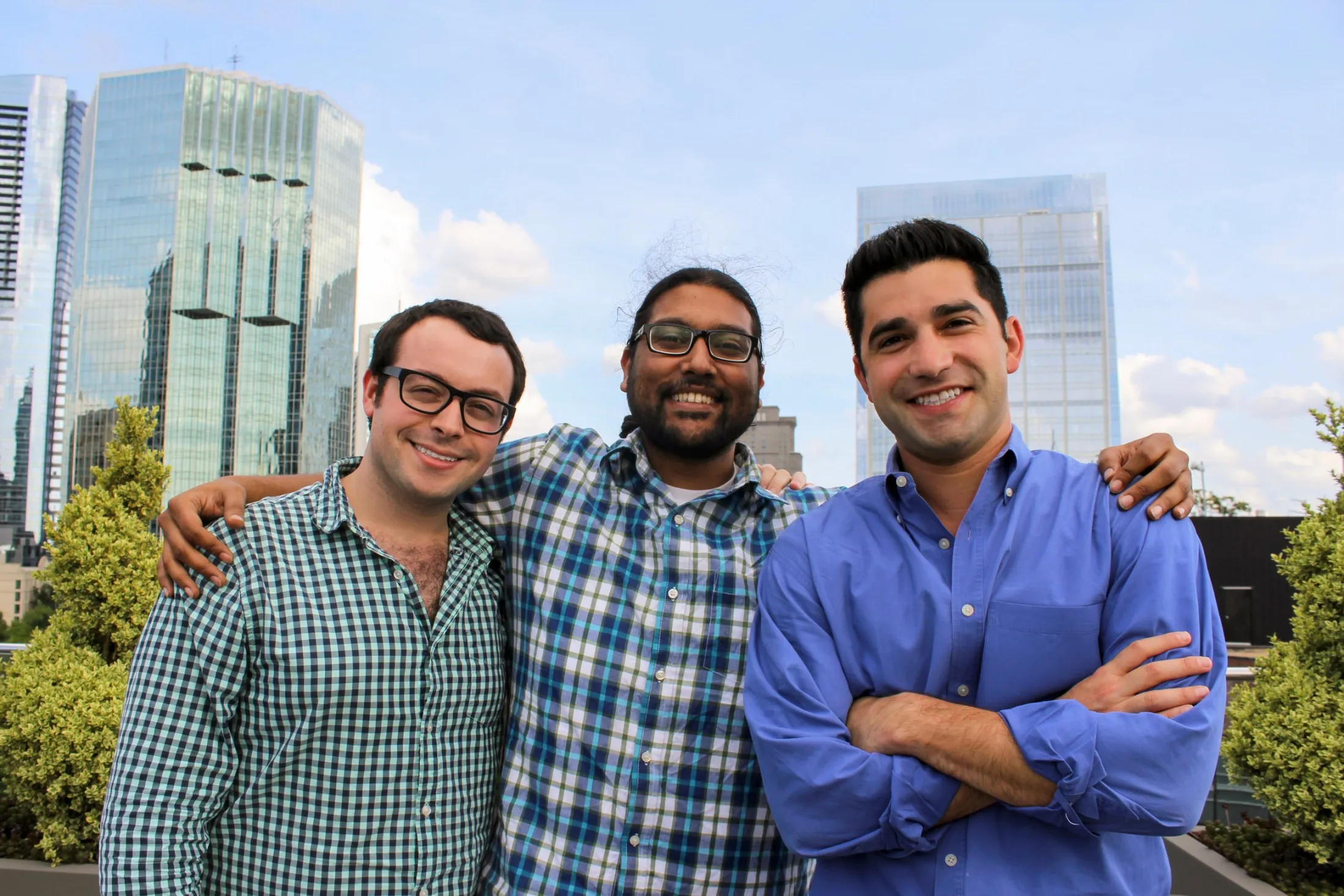
Adam, my old co-founder, invited Tareq and I to come speak at the PrizePicks summer onsite. It was fun talking about the early days of the business and inspired me to write a post about the early days of PrizePicks.
As I was stumbling through my drafts folder, I discovered a few nuggets of wisdom from my agency days. Richard “Pop” Sullivan and I were usually the first people in the office. There was often some good banter and sometimes insightful nuggets of wisdom. Apparently, I wrote some of those down. Anyway, it made for a good post 12 years later.
What else?
I gave a short talk about designing command palettes before I left for my sabbatical.
Photos



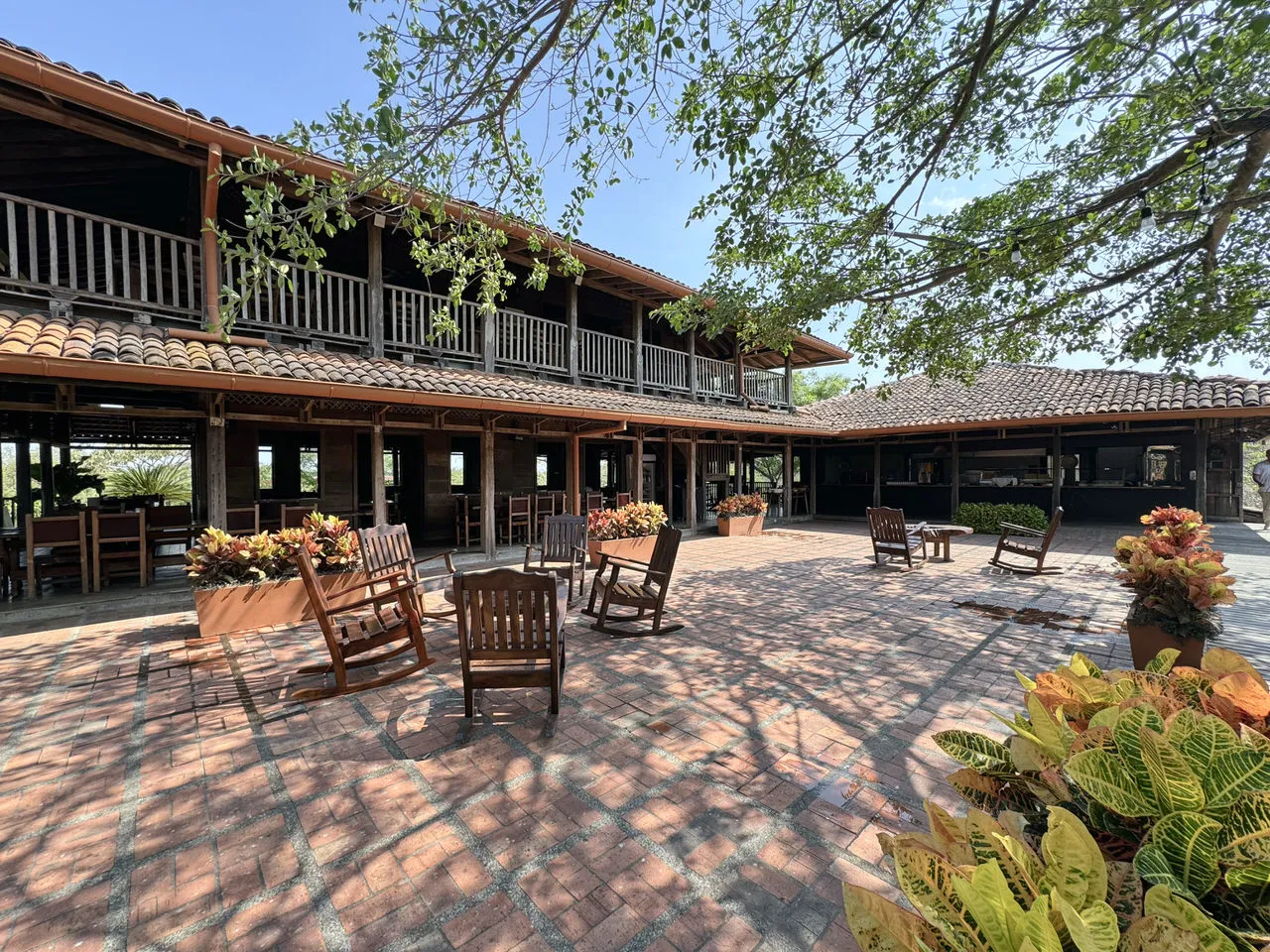

I took some fantastic photos during our honeymoon in Costa Rica. The main reason we picked Costa Rico over Mexico was wildlife—specifically sloths. I was concerned that we might not get an opportunity to see them.
Fortunately, one of our excursions took us to a sloth sanctuary and saw dozens of sloths. We were able to get much closer than I ever expected.



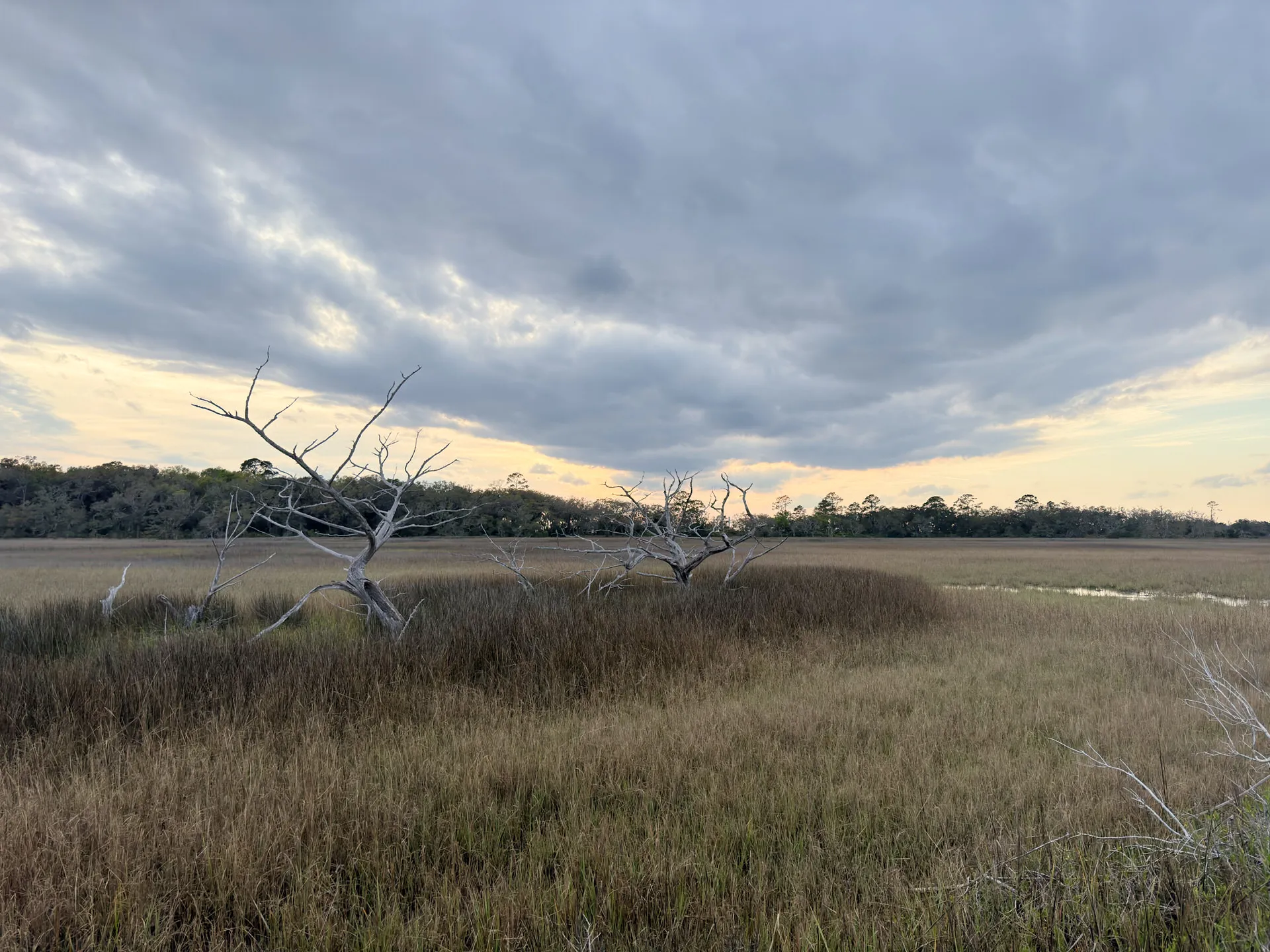


We took full advantage of my sabbatical. We also took a trip to Jekyll Island. The island has so many interesting landscapes—and it’s small enough to bike most places.
Books
There’s been a bit of a theme in my reading list lately. American manufacturing, microchips, and defense—these all kind of tie together.
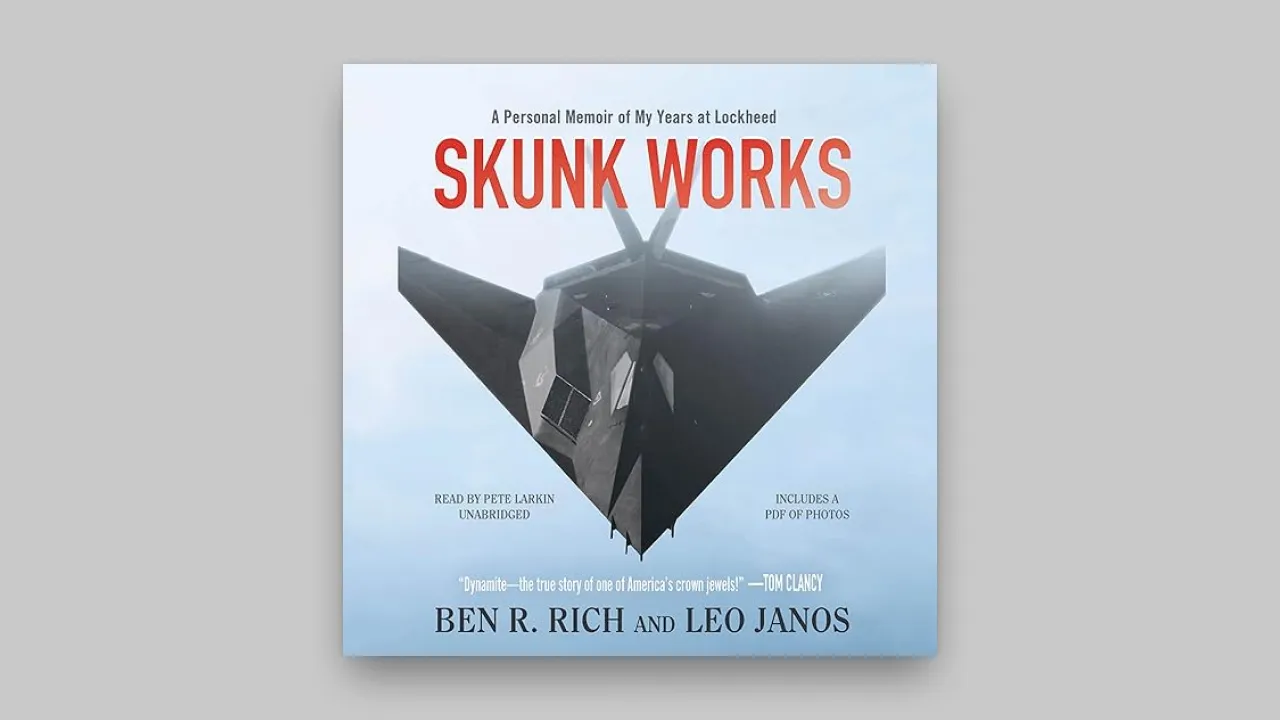
Skunk Works has been a book suggested over and over. I was certain that it wouldn’t live up to the hype—but I was wrong. Skunk Works reveals the inner workings of the Lockheed Skunk Works division, which helped develop legendary aircraft like the U2 Spy Plane, SR-71 Blackbird and F-117 Nighthawk stealth fighter.
When I think of defense contractors, I generally envision an enormous, sluggish bureaucracy. That’s not the case here. Skunk Works feels like a nimble startup with talented people doing some amazing engineering.
Additionally, there are just a ton of interesting stories about dealing with Russians, crashing prototype planes, and more. I would highly recommend it.
Chip War centers on the geopolitical and economic impact of the semiconductor industry and the tensions that develop as the U.S. and China compete. It offers a fascinating look into how chips shaped the modern world and what future competition for them might look like.
The Chip focuses on the invention and early history of the microchip. It follows inventors Jack Kilby and Robert Noyce, who developed the integrated circuit and the wave of inventions that followed. I found the book interesting, but slow-paced and dry.
Honestly, if you wanted to read one book about microchips, I’d choose Chip War. I think it touches enough on the early days of the semiconductor industry.
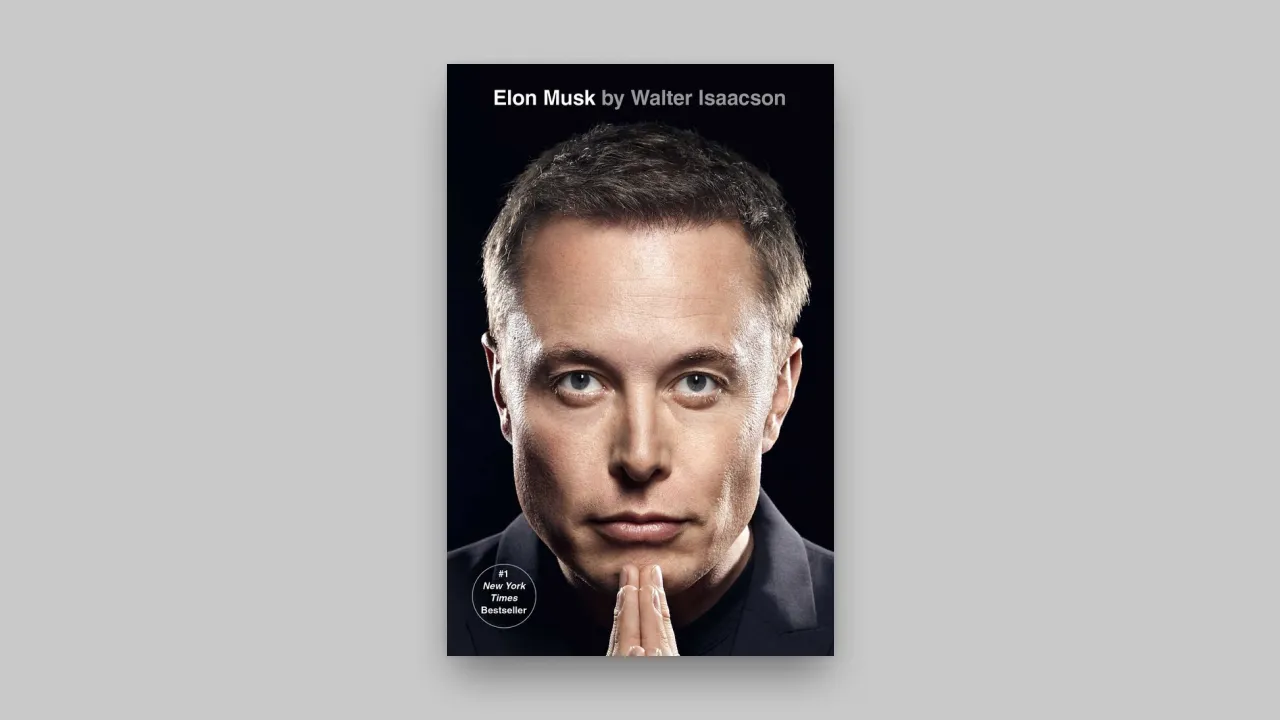
Elon Musk—Walter Isaacson writes fantastic biographies, and this one is no exception. Elon is a polarizing figure, but I think Isaacson does an excellent job of showing his streaks of brilliance as well as his petulant tantrums. I thought Elon’s process rules are fascinating and worth sharing here:
1. Question every requirement. Each should come with the name of the person who made it. You should never accept that a requirement came from a department, such as from “the legal department” or “the safety department.” You need to know the name of the real person who made that requirement. Then you should question it, no matter how smart that person is. Requirements from smart people are the most dangerous, because people are less likely to question them. Always do so, even if the requirement came from me. Then make the requirements less dumb.
2. Delete any part or process you can. You may have to add them back later. In fact, if you do not end up adding back at least 10% of them, then you didn’t delete enough.
3. Simplify and optimize. This should come after step two. A common mistake is to simplify and optimize a part or a process that should not exist.
4. Accelerate cycle time. Every process can be speeded up. But only do this after you have followed the first three steps. In the Tesla factory, I mistakenly spent a lot of time accelerating processes that I later realized should have been deleted.
5. Automate. That comes last. The big mistake in Nevada and at Fremont was that I began by trying to automate every step. We should have waited until all the requirements had been questioned, parts and processes deleted, and the bugs were shaken out.
My takeaway is that the amazing things Elon Musk is able to accomplish comes with a high price. Elon works outrageously hard and pushes everyone around him to do the same. He’s not able to step off the accelerator.
Links
It’s been a while since my last newsletter. That means there is a big surplus of links. Even if I don’t have other things to share. I’m considering publishing my top links each month.
Hard to not mention SpaceX catching the enormous Starship booster this morning. If you watch the video, the descent begins around the 37-minute mark. It’s an unbelievable feat of engineering that seems like something out of science fiction.
Machines of Loving Grace—Anthropic’s CEO on how people are underestimating the upside of AI. I’m amused by that claim. I don’t see many underestimating what AI can do—but I’m just some guy drawing rectangles for a living. Jokes aside, I think it’s a thoughtful, well-written essay with some interesting ideas in it.
A video about electric trains and why they make interesting sounds.
Sanding UI is a fantastic metaphor for improving software by using it.

Teenage Engineering is known for their well-designed audio and synthesizer products. Their latest Medieval EP-1320 combines that same passion for hardware design with ornamental typography and Gregorian chants.
The spectacular engineering of landfills.
Intel Honestly—Ben Thompson on the rise fall, and challenges ahead for the legendary chipmaker.
Julia Child’s functional, modular kitchens that still have influence today.
It’s the end of the road for Anandtech. I’ve got a soft spot for small internet publications. Sad to see when a quality one closes it’s doors.
The kids hacking one million checkboxes.

Apparently, the iconic GMC Motorhome had an obscure option to inject sewage into the RVs hot exhaust system.
That toasts are bad UX is quite a proclamation! It is probably preferable to provide feedback within the component a user is interacting with, but that’s difficult to do consistently.
Adding quick actions to the MacOS context menu.
I’m always skeptical of absolutes—like businesses should never raise money. This post, The Games People Play with Cash Flow, does a fantastic job explaining why cash flow management is just as important as making a profit.
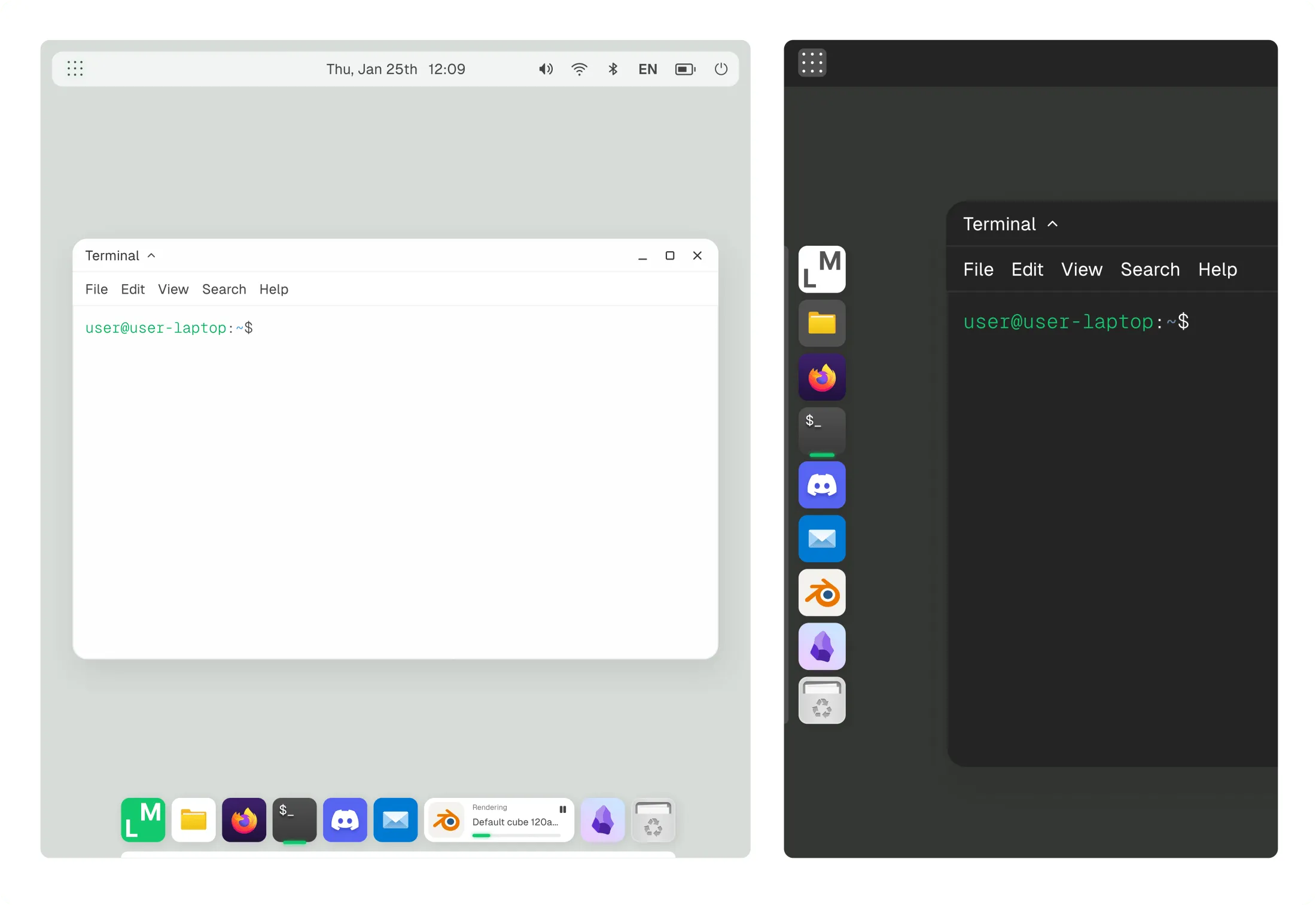
This Linux Mint rebrand, redesign concept is pretty sharp.
I’m bullish on AI for spreadsheets. Tools like Sourcetable are worth watching.
An introduction to isometric projection in games.
On youth mental health and the loss of community.
Copying is the way design works—A case that no design is unique and a way to learn from, challenge and improve Matthew Ström.
So you think you know box shadows? Experiments pushing box shadows to their limits.

What’s old is new and what’s new is old. TinyPod turns your Apple Watch into an iPod—scroll wheel included.
Photographs of Tokyo’s oldest train line.
How specialized will AI be a few years from now? Will a handful of generic models be enough for general purpose use or will there be thousands of companies with specialized ones? Does the first iteration of Apple Intelligence give us a hint?
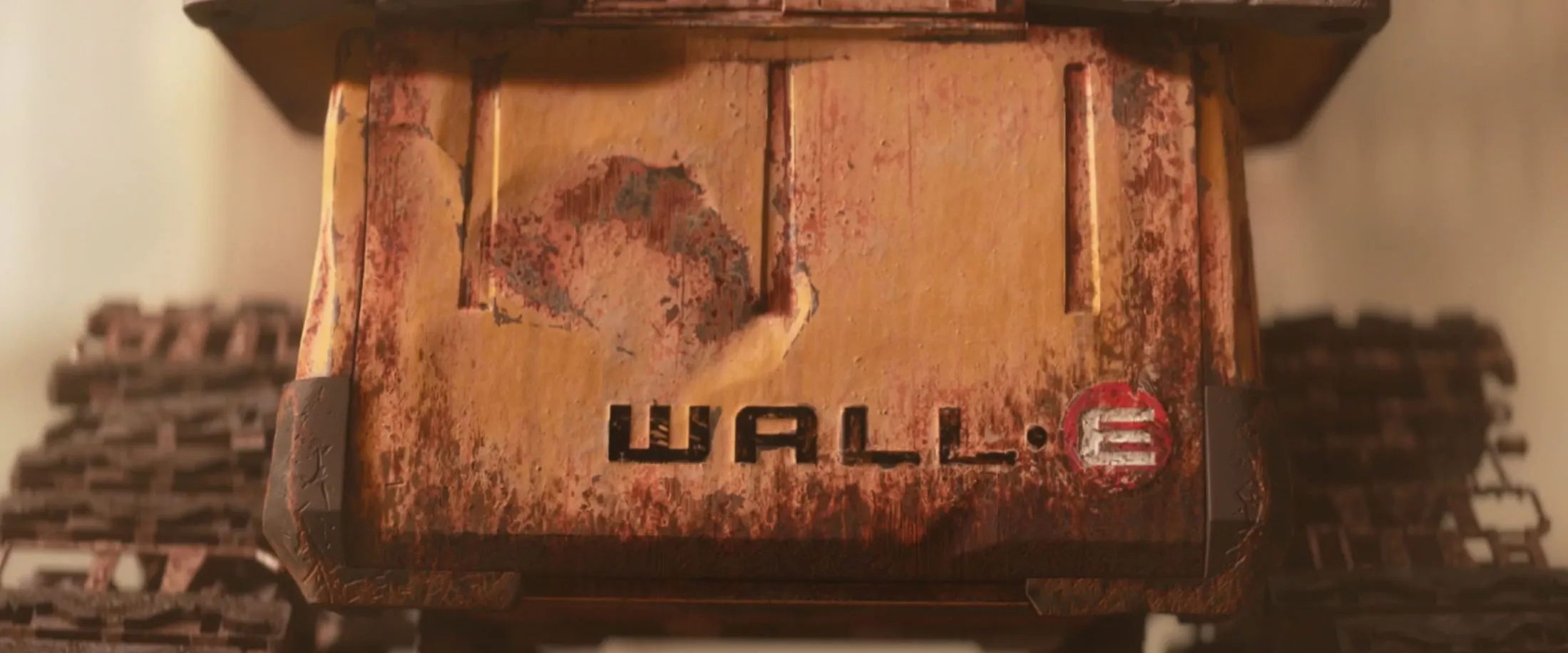
WALL·E is one of my all-time favorite movies. That’s why I cannot resist sharing this detailed analysis the typography in the movie. The title undersells the article though—it’s a commentary on culture, architecture and society—through the lens of typography.
Apple Intelligence and AI Maximalism—is generative AI a technology where one backend powers hundreds of tools or a generic one
AirBnB is rethinking text resizing on the web.
Interesting observations on ambient copresence. We spend a lot of time on the Internet together—whether it’s games, documents or chatting. The little details of synchronous vs asynchronous communication.
North Korea’s bizarre, post-modern cityscapes.
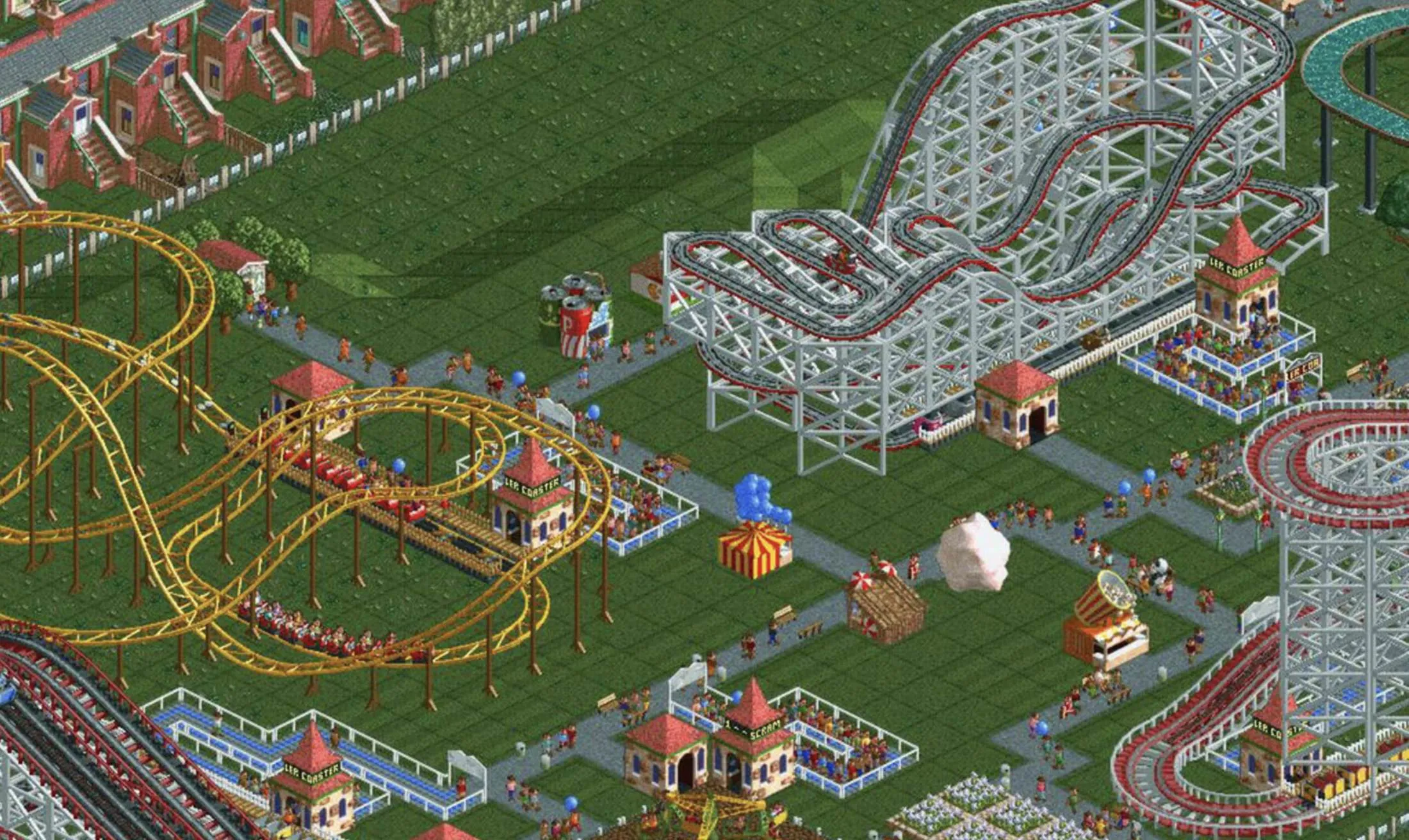
One of my all-time favorite games, RollerCoaster Tycoon, has turned 25. The staying power of the game is absolutely amazing. I have Rollercoaster Tycoon Classic installed on my phone and it’s a fantastic offline mobile game for flights. I don’t think there’s another game where I’ve played the original version over and over. Civilization and Diablo are pretty close—but I’ve always played the latest version of those franchises, not the originals.
Hacker News is one of my favorite places on the internet. And occasionally there are some gem comments—like this guy who bought a warehouse and about 75 properties in the depressed town of Pine Bluff Arkansas. Apparently, that comment caught the eye of others. Max Read goes into fascinating detail about the man who bought Pine Bluff, Arkansas.
Want more links like this? Consider subscribing.
That’s it! Hope y’all have a great October!